When You Hire a Fractional Executive, You’re Hiring the Person, Not the Role
Hiring a fractional executive isn’t quite like hiring a full-time one. More than anything, you’re hiring the person, not the role. As a founder, owner, or CEO, that should shape who you bring on as a fractional COO, CMO, or CFO, and why. Companies with the scale and budget for a full-time C-suite build it […]
To ERP or Not to ERP? For Most SMBs, There’s a Better Answer.
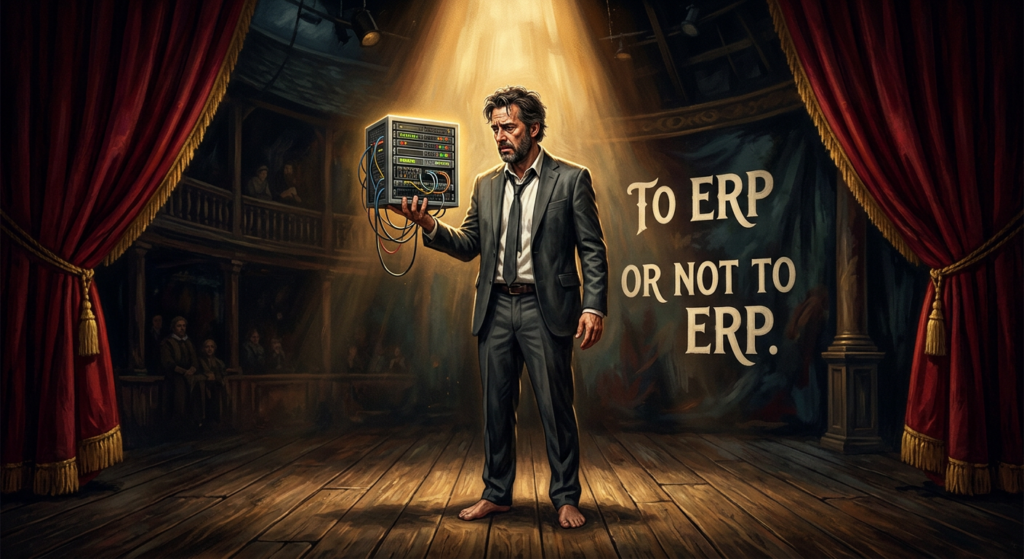
If there’s one thing I’ve learned about integration projects, it’s that every one eventually leads to the same predicament: to ERP or not to ERP, that is the question.
Why the Hottest Fractional CMO or COO Hire in 2026 Is Probably the Wrong One for Your Business

The hottest fractional CMO or COO hire in 2026 is a 28-year-old with an AI stack who can do the work of five people. Companies think they are getting strategic thinking at a junior price point. They are not. Here is the critical difference between AI-powered strategy and AI-powered execution — and why hiring the wrong fractional executive could be the most expensive mistake your business makes this year.
How to Hire a Fractional COO or CMO for Your CPG, Food-and-Beverage, or Consumer Products Company
Most founder/CEOs default to full-time executive hires when facing a major business problem. For consumer products, CPG, and food-and-beverage companies, a fractional COO or CMO is often faster, lower-risk, and more effective. But only if you know how to hire one.
Two Founders Can Hire the Same Fractional Executive. One Gets Results. The Other Gets an Expensive Mistake.
Two founders can hire the exact same fractional executive and walk away with completely different results. The difference is how they’re managed.
There are some business challenges that can’t be solved using the usual playbook
When running a business not every problem is hard because it’s complicated. Some are hard because of what kind of problem they are.
Unlocking Opportunity During Uncertainty
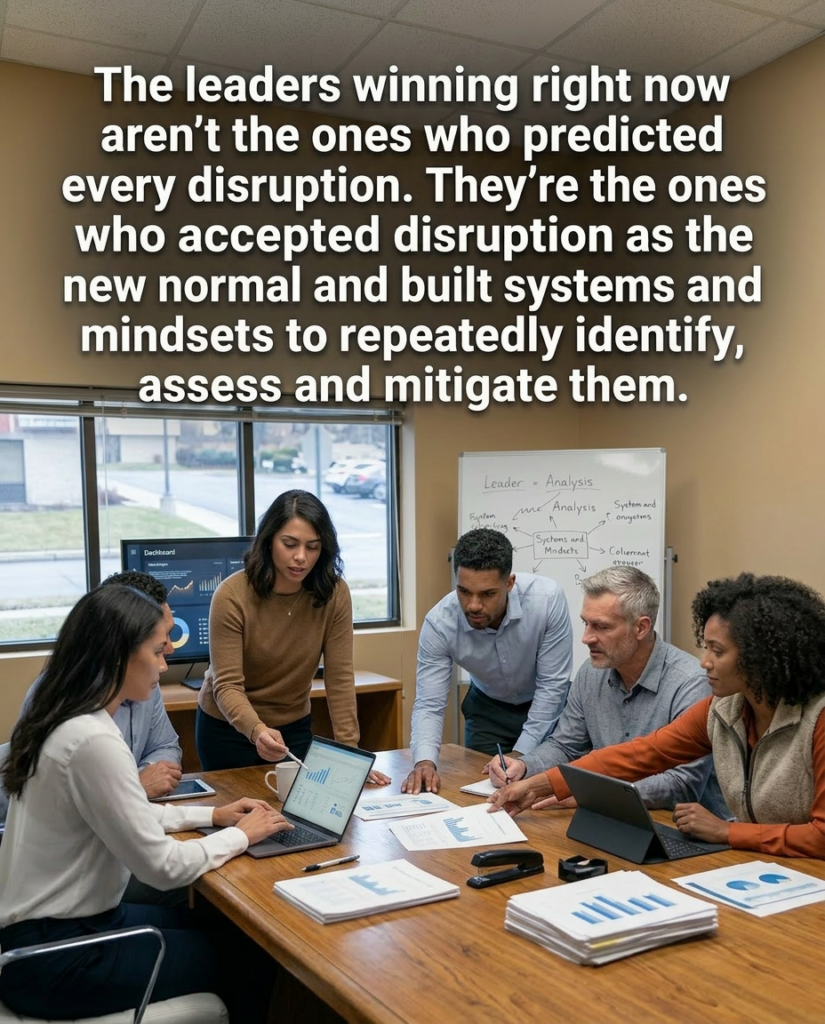
The leaders winning right now aren’t the ones who predicted every disruption.
They’re the ones who accepted that disruption was the new normal and built systems and mindsets that can repeatedly identify, assess and mitigate them.
The best founders I know never fully let go. Here’s why that’s OK.

Everyone tells founders to step back, trust the team, and get out of their own way — and they’re all wrong. When you’re not fully engaged, things go off the rails, and quickly.